DOH-Monroe Hosts Managing Aggressive Behavior Training
Share:
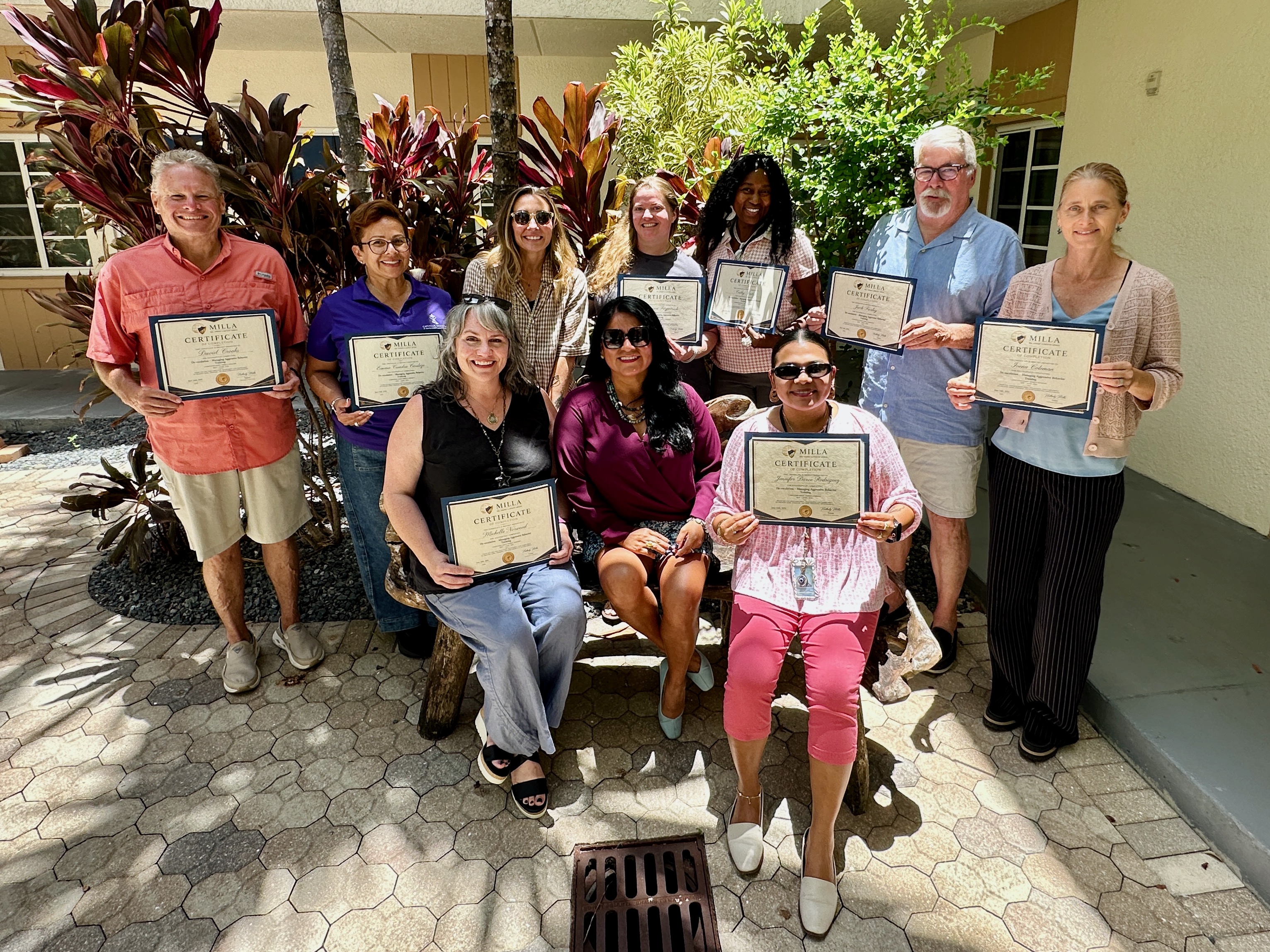
Monroe County, Fla. – The Florida Department of Health in Monroe County (DOH-Monroe) announced the successful completion of its free eight‑week Managing Aggressive Behavior Training for community members. The course, held from May 6 through June 24, at Poinciana Royale in Key West, was instructed by Nathaly Milla of Risk, Strategy, and Executive Services.
A total of nine participants completed the training, which covered recognizing early warning signs of aggression; communication strategies; trauma, personal, and workplace safety; self-care; supporting adults, youth, and children in distress; and connecting individuals to local resources. The program was designed for frontline staff, educators, health care professionals, hospitality workers, nonprofit employees, and others who routinely engage with the public.
“This training highlights how our community can strengthen safety and support one another by learning practical, evidence-based strategies,” said Ivona Coleman, community health improvement manager for DOH-Monroe. “We sincerely thank everyone who participated, and we extend our gratitude to trainer Nathaly Milla.”
Key takeaways from the training include:
- Insufficient sleep is a significant escalation-related factor in Monroe County, with 45.6% of adults reporting inadequate sleep, which can reduce impulse control and emotional regulation.
- Frequent mental distress is higher in Monroe County compared to statewide averages, potentially increasing emotional reactivity and reducing problem‑solving capacity during stressful interactions.
- Excessive drinking and alcohol‑related risk behaviors can impair judgment, lower inhibition, and heighten impulsive verbal or physical reactions.
- Trauma often contributes to aggressive behaviors. Understanding trauma responses and responding with a calm, respectful, and empathetic approach can help reduce escalation and improve de-escalation outcomes.
- Aggressive behavior is typically influenced by overlapping factors, such as emotional distress, intoxication, untreated symptoms, or sleep deprivation, rather than a single cause. Recognizing these combined factors early helps prevent escalation and promotes the use of appropriate response strategies.
- Self-care is essential when managing challenging situations. Prioritizing personal well-being, setting boundaries, and practicing healthy coping strategies helps professionals maintain resilience and respond effectively.
The eight‑week session offered participants practical tools to safely manage tense situations, support individuals experiencing distress, and strengthen overall workplace and community safety.
DOH-Monroe acknowledges the support of Poinciana Royale for generously providing the meeting venue that helped make this training possible. For more information about future trainings or available local resources, please contact DOH-Monroe at DOHMonroe@FLHealth.gov.